

English
- All
- Product Management
- News
- Introduction
- Enterprise outlets
- FAQ
- Enterprise Video
- Enterprise Atlas
What does parts processing include?
2024-11-29


Parts processing is a complex process that involves transforming raw materials into parts or components that meet specific specifications and requirements. This process encompasses multiple aspects, mainly including the following:
1. Raw material preparation: Before processing, it is necessary to prepare the corresponding raw materials, such as metals, plastics, ceramics, etc. These raw materials need to undergo pre-treatment, such as cutting and grinding, for subsequent processing.
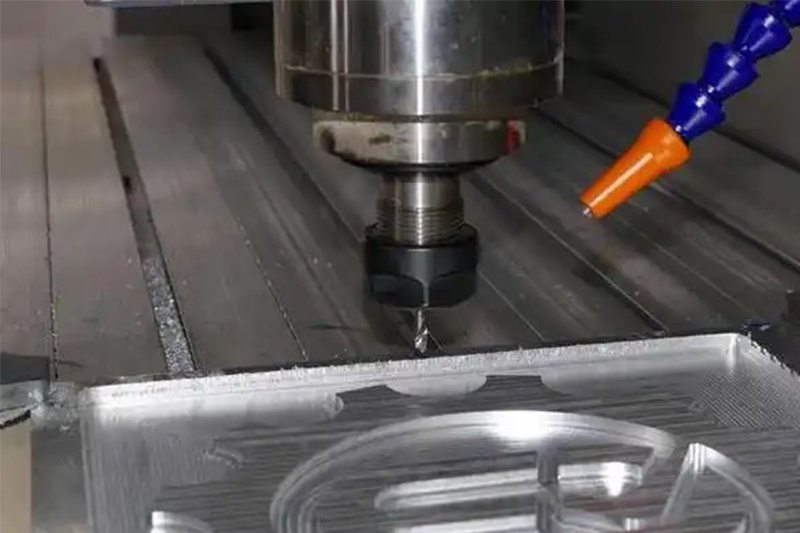
2. Cutting processing: Cutting is one of the most important links in parts processing. By using various cutting tools, such as lathes, milling machines, and drilling machines, raw materials are cut and carved into the desired shapes and sizes.
3. Heat treatment: Some parts processing requires heat treatment to improve the mechanical properties of the materials. Heat treatment includes processes such as quenching, tempering, and annealing, which can adjust the hardness, toughness, and other properties of the materials.
4. Surface treatment: After parts processing is completed, surface treatment is usually required to enhance the appearance and quality of the parts. Surface treatment includes processes such as spraying, electroplating, and polishing, which can enhance the corrosion resistance and wear resistance of the parts.
5. Assembly and inspection: The final stage of parts processing is assembly and inspection. Multiple parts are combined to form a complete component or product. Then, through various inspection methods, such as dimensional inspection and performance testing, it is ensured that the quality of the parts meets the requirements.
6. Special processing: Some parts may require special processing, such as precision processing and CNC processing. These processing methods use advanced equipment and technology to produce high-precision, high-quality parts.
The specific processing flow may vary depending on the industry, product, and application field. For example, parts processing in the automotive manufacturing industry may involve more casting and forging processes; while the electronics manufacturing industry may focus more on precision processing and surface treatment technologies.
In summary, parts processing is a comprehensive process that covers all aspects from raw material preparation to final product assembly and inspection. In this process, various equipment and technologies are needed to ensure that the produced parts meet specification requirements and satisfy product performance needs. The above content is for reference only; for more information, it is recommended to consult professionals in the relevant field.
Related News
What does parts processing include?
2024-11-29
Precision Machining Parts Assembly Process
2024-11-29
The role of laser equipment accessories
2024-11-29

Company Address:
Building F/Building B/Building G, Zhongli Sunshine Science Park, No. 5 Jinlong 2nd Road, Baolong Community, Baolong Street, Longgang District, Shenzhen